
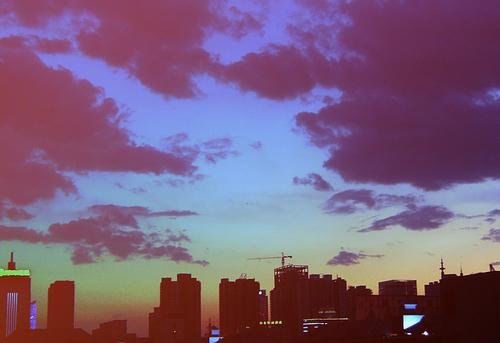
Image: favim. com, 2016. Location:Greater Metropolitan Area, (GAM) San José, Costa Rica.
POSITIVE ASPECTS:
NEGATIVES
Costa Rica is a tropical country, due to its proximity to the equator it does not have a winter or summer season. A distinction is generally made in the Pacific region between rainy season (May to November) and dry season (December to April), in the Atlantic region of influence by months of heavy rain (December to April) and months of low rainfall. The rainy season is from May to November, during the months of December to April there is very little or no rain. The country’s average rainfall is around 100 inches. During the rainy season, you will experience real “tropical downpours” for 2 – 3 hours in the afternoon; the rest of the day is warm and sunny. (Tierra Verde 2016)
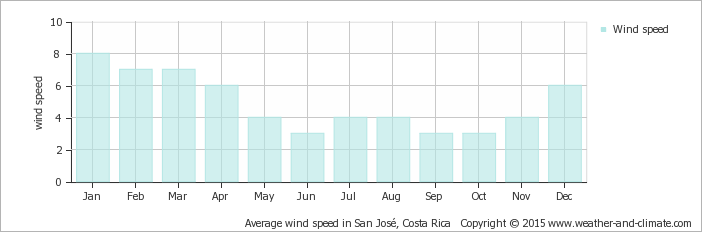
The sun shines throughout the year. It has more than 12 hours of sunlight, as the sun rises at 5:45 a.m. and sets at approximately 5:45 p.m. In Costa Rica the average annual temperature is between 21 and 27 degrees Celsius and the coldest months of the year are November, December and January. The months of March through May are the hottest months of the year. San Jose, located in the Central Valley, has an average temperature of 22 degrees Celsius, with a mild breeze coming from the coast. (Tierra Verde 2016)
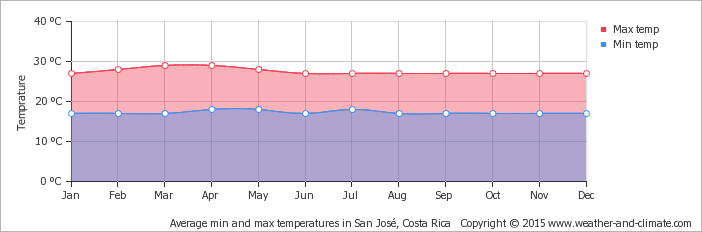

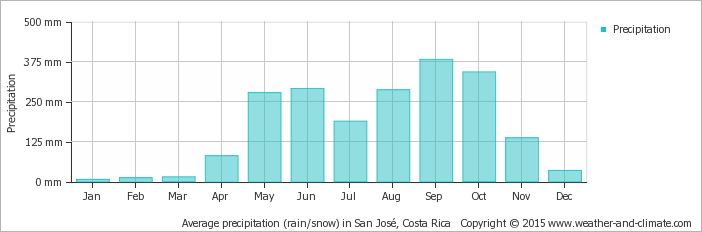
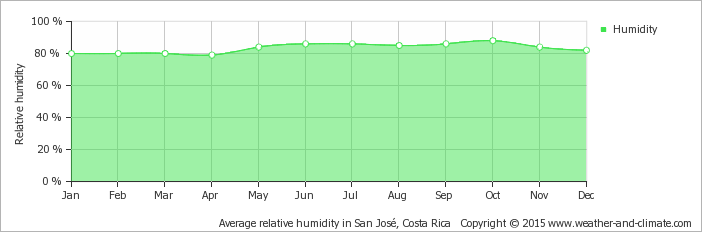
During the winter, September to December, cold and windy nights were experienced; The impact of a river that is located at the back of the facilities is then analyzed, in which there are no physical or biological impediments to the flow of wind currents.
The exterior walls are made of concrete, which provide adequate protection; however, humid spaces can be found, since there is currently little ventilation and airflow, inside the space provided for the shelter. This is located on a slope under the entrance of the mission center.
The provision of insulation in the walls is recommended, such as special sealants to prevent moisture. Windows are necessary to provide proper ventilation, and to facilitate the entry of sunlight during the day, as humidity has been denoted. It is important to take advantage of the few light sources already established and prop
Roofs and facades should be considered, as these determine the feel of the internal environment. Openings must be available to close at night. It is important to take advantage of sunlight during the day, since during the evening, it can be cold and humid. Protection and insulation must be taken into account, that the structure is compact protected from the wind; however, with good rainwater, canoe and water systems that minimize humidity, since the water system is old (approximately 60 years old).
Leakage problems have been found in the upper part, which seep into the concrete towards the ground floor, which results in the possible deterioration in the gypsum structures, which constitute the divisions in the lower part.
These problems are solved by identifying the source of the leaks, correcting them and reinforcing them with sealants and plasters, to prevent future leaks of water and moisture.

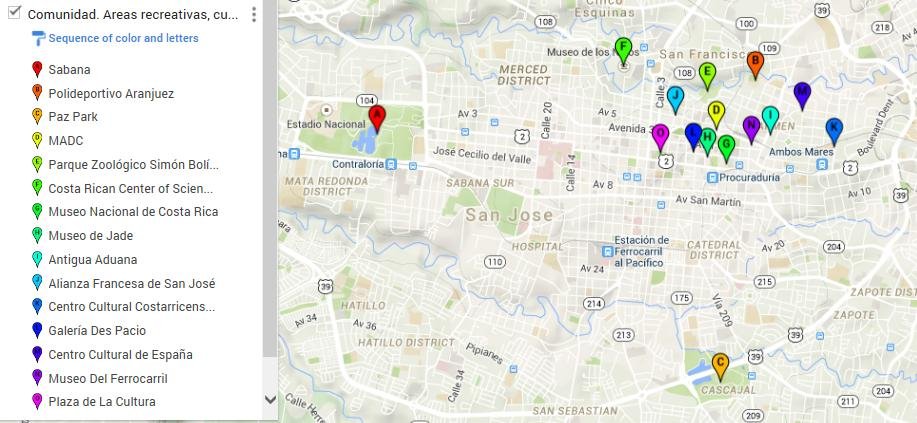
Location: Many of the institutions that provide support and follow-up are located in the GAM, as well as the facilities of the Rostro de la Justicia Shelter.
For confidentiality reasons, the location cannot be disclosed, as victims of organized crime are protected.
As published in La Gaceta, on November 23, 2015:
They refer specifically to the assistance that must be provided, according to basic needs:
© 2025 | Karina Monge Designs. All Rights Reserved.
Designed with 🤍 by Priyash Kadu